
Director vs Producer: What’s the Real Difference in Filmmaking?

The Difference Between Calling “Action” and Actually Directing
In today’s content-driven world, more people than ever are picking up cameras and creating projects. That’s a good thing. Access to filmmaking tools has opened the door for new voices and new stories.
But with that access has also come confusion—especially around roles.
One of the biggest misunderstandings in filmmaking today is the difference between a director and a producer. The titles are often used interchangeably, but in reality, they serve completely different purposes.
Understanding that difference isn’t about gatekeeping. It’s about respecting the craft and building better projects.
What a Director Actually Does

A director is the creative leader of a project.
They are responsible for turning a script into a visual and emotional experience. Every decision they make is focused on how the audience will feel when watching the story.
A real director is responsible for:
Guiding actor performances
Blocking scenes (where actors move and how action unfolds)
Determining shot composition and camera movement
Setting tone, pacing, and emotional rhythm
Collaborating with the Director of Photography to shape the visual style
At its core, directing is about one thing:
Translating story into experience.
A director isn’t just the loudest voice on set—they’re the most focused one.
What a Producer Actually Does

A producer is the person who makes the project possible.
While the director focuses on the creative, the producer focuses on execution. Without a producer, most projects never get off the ground.
A producer is responsible for:
Budgeting and financing
Hiring cast and crew
Scheduling the production
Securing locations and permits
Managing logistics from start to finish
If the director answers: “What should this feel like?”
The producer answers: “How do we make this happen?”
Both roles are critical. Neither replaces the other.
Director vs Producer in Filmmaking: Key Differences
Understanding the difference between a director vs producer in filmmaking helps creators build stronger projects. While directors focus on storytelling, producers handle the business and logistics behind the scenes.
The Other Key Roles That Shape a Production

Film is a collaborative process. A strong production depends on every department working together.
Some of the most commonly misunderstood roles include:
Director of Photography (DP)
Responsible for the camera and lighting. The DP executes the visual style of the film.
Gaffer
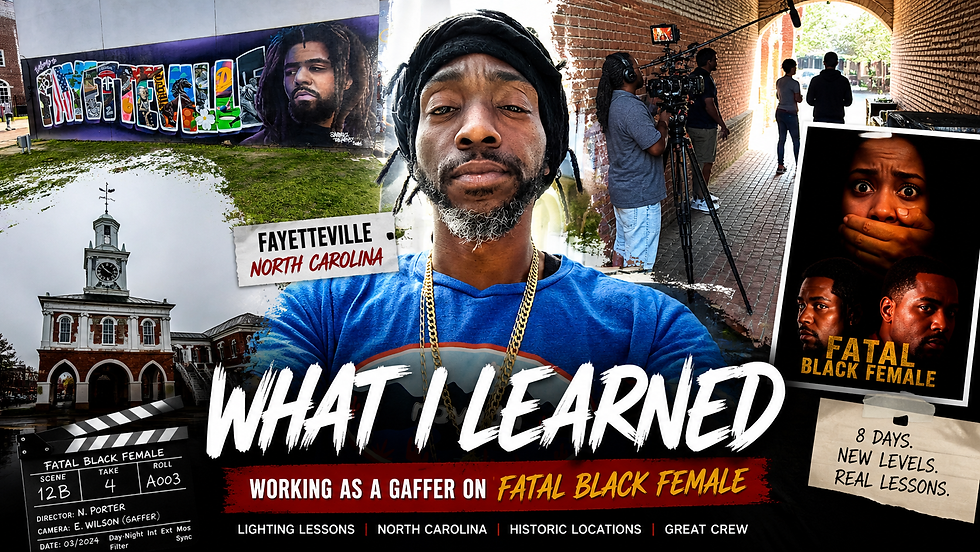
Leads the lighting crew and shapes how light is used to create mood and depth.
Sound Department
Captures clean audio—often the difference between a usable scene and a reshoot.
1st Assistant Director (1st AD)
Runs the set schedule and keeps production moving efficiently.
Each of these roles requires skill, experience, and communication. When one breaks down, the entire production feels it.
The Rise of “Shortcut Filmmaking”
With more access to cameras and platforms, many creators are skipping the process of learning the craft.

That often looks like:
No shot list or production plan
No understanding of blocking or pacing
Limited communication with actors or crew
A “fix it in post” mindset
The result isn’t just lower quality—it’s inefficient production, frustrated crews, and missed opportunities to tell stronger stories.
This isn’t about criticizing new creators. Everyone starts somewhere.
But growth in filmmaking comes from learning the process, not skipping it.
Why Experience Across Roles Matters
Many of the strongest directors didn’t start by directing.
They worked as:
Production Assistants
Camera crew
Lighting technicians
Sound operators
That experience builds something you can’t fake:
Perspective.
When you understand how each department works, you:
Communicate more effectively
Plan more efficiently
Respect the time and skill of your crew
Make better creative decisions under pressure
It doesn’t just make you a better director—it makes you a better leader.
Building a Standard, Not Tearing People Down
The goal isn’t to call people out. The goal is to raise the level of the work.
Filmmaking is one of the most collaborative art forms in the world. It requires trust, communication, and a shared understanding of roles.
When those roles are respected:
Sets run smoother
Performances improve
Final projects feel more intentional
And most importantly—audiences can feel the difference.
Final Thought
Anybody can press record.
Not everybody can lead a story, guide a team, and deliver a finished project with intention.
That’s the difference.

Comments